0800 048 8495


Fire Prevention With Advanced Thermal Detection - Taylor Wimpey West Craigs

Background
Safer Group has been supporting Taylor Wimpey Scotland at numerous building sites with thermal cameras since 2023. Using advanced thermal cameras installed on our towers, we’ve provided robust site protection, including early visual confirmation of potential fire hazards. Implementing effective fire prevention measures has been crucial for early risk detection and safe evacuation.
Solution
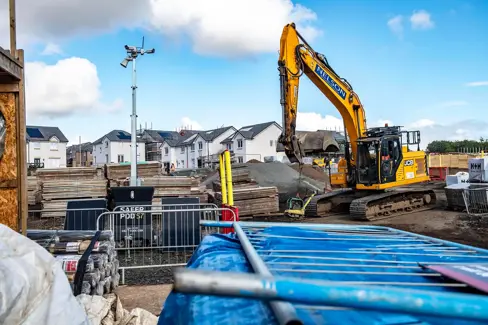
To manage the inherent risks associated with timber construction, industry stakeholders are adopting advanced technologies and robust fire prevention strategies, increasingly recognised by insurers. Safer Group's thermal camera-equipped CCTV towers provide real-time monitoring, offering early warnings of rising temperatures and detecting potential fire hazards before they escalate. These towers monitor for extreme temperature changes 24/7, enabling rapid intervention by providing visual fire confirmation.
At Taylor Wimpey's West Craigs site, Safer Group deployed four towers, which proved invaluable during an incident on November 5th, when a firework ignited a timber frame kit. Thanks to the early detection capabilities of the thermal cameras, the fire risk was swiftly mitigated. Impressed by the results at West Craigs, Taylor Wimpey has expanded the use of thermal detection towers to other sites, ensuring consistent project projection.
The towers reduce fire-related risks and serve as strong deterrents against site intrusions, providing comprehensive security. By proactively addressing fire risks and preventing unauthorised access, Taylor Wimpey has minimised the risk to both assets and lives while enhancing safety for operatives and surrounding areas.
Challenges
Timber frame buildings are at higher risk of fire due to their combustibility, particularly when exposed to hot works, cigarettes, or arson. This fire risk begins upon material delivery to the site and persists throughout construction.
The construction industry’s drive for zero-carbon development, essential to combating climate change and achieving the UK’s net zero target by 2050, has led to a greater reliance on timber frames. As a renewable material with a significantly lower carbon footprint than concrete or steel, timber reduces emissions by storing carbon. This shift has increased demand for responsibly sourced timber among suppliers.
However, timber frame construction has faced negative media attention due to incidents of rapid fire spread, where firefighters often prioritise evacuating nearby buildings and containing the blaze over saving the site itself.
Balancing sustainability goals with effective fire safety measures is a key challenge as the industry works towards net zero targets.
Benefits
The implementation of advanced thermal detection technology has delivered significant benefits for Taylor Wimpey. Early warning systems quickly identify and mitigate potential fire hazards, reducing the risk of fire spread.
Detailed inspections and proactive monitoring have eliminated costly remedial work later in the project, saving both time and resources.
By adopting robust fire prevention measures and site security solutions, Taylor Wimpey has avoided reputational risks associated with fire incidents and ensured the safety of all parties involved in their developments. Comprehensive planning, clear documentation, and reliable protection have created a safer working environment and safeguarded nearby areas.
While timber will undoubtedly play a crucial role in the construction industry’s carbon-zero journey, addressing fire safety concerns is critical for maintaining public trust, securing insurance backing, and meeting sustainability goals without compromise.